
How intense is this going to be?
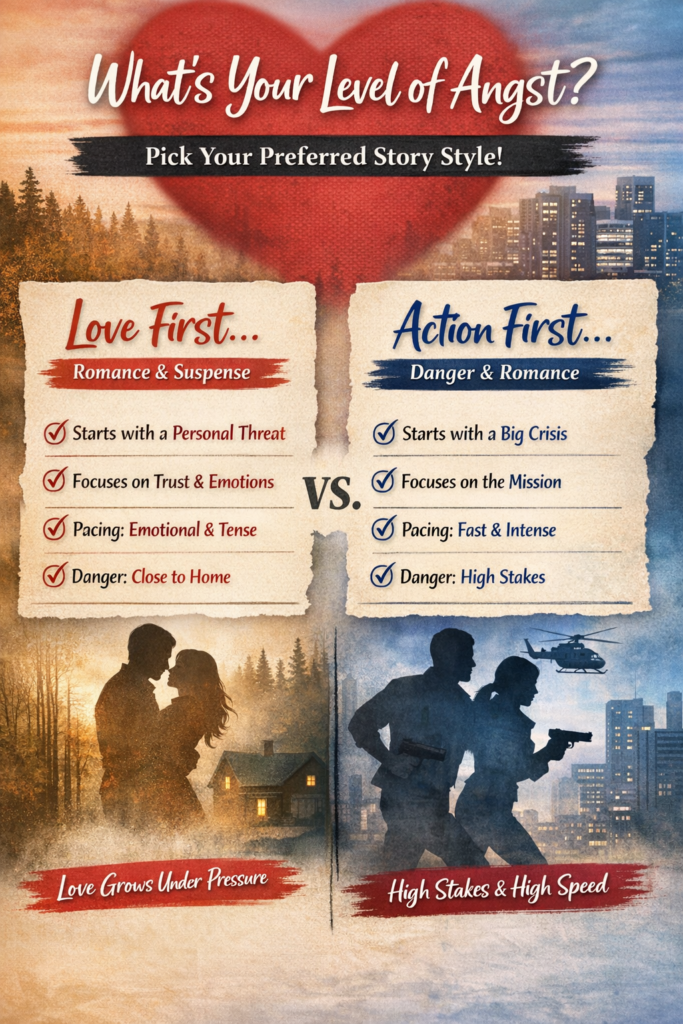
One of the questions readers quietly ask themselves before starting a new book is: How intense is this going to be? Not everyone wants the same level of violence in their reading, and that’s perfectly okay. Some readers enjoy high-stakes action with every punch and gunshot described. Others prefer stories where the danger is real but the camera doesn’t linger on the details.
The tricky part is that authors don’t always spell this out. Fortunately, there are a few clues you can use to get a pretty good idea of what you’re signing up for before you dive in.
Start with the blurb. That’s the description on the back cover or the online book description. It often gives away the story tone. If the language focuses on danger, protecting someone, uncovering secrets, or stopping a killer, the violence is usually present but not graphic. If the description leans heavily into words like brutal, blood-soaked, revenge, or a body count, that’s usually a signal the book may include more detailed or intense scenes.
Next, take a peek at the First Chapter. Authors tend to show their hand early. If the opening chapter starts with a graphic crime scene described in vivid detail, that level of intensity will probably continue throughout the book. On the other hand, if the first chapter focuses more on atmosphere, tension, or introducing the characters, the story is likely relying more on suspense than on graphic violence.
Think of it as the book telling you what kind of ride you’re about to take.
If you’re still unsure, look at the author’s other books. Most writers are fairly consistent with their storytelling style. If their previous books keep the violence mostly off the page, chances are the new one will too. If their stories regularly include very detailed action scenes, that’s likely part of their voice as a writer.
Reader reviews can help you decide as well. People tend to mention if a book is much more intense than they expected. You’ll also want to pay attention to categories. They aren’t perfect, but they do set general expectations. For example, stories built around relationships and personal stakes often keep violence present but not graphic, while high-adrenaline action stories sometimes allow for more intense scenes.
And while this next test is not a hard rule, it can be a helpful if you’re still unsure—study the book cover. Are there elements of violence? Are weapons, dead bodies, or blood evident? You’ll likely find them just as evident in the story.
Every reader has a different comfort level, and that’s part of the beauty of books. There really is something for everyone. A few quick clues from the description, the opening chapter, and the author’s style can usually help you find the story that fits your taste—whether you prefer the tension to stay mostly off-camera or you’re ready for a full-action ride.
After all, the goal of reading isn’t to prove how much you can handle. It’s to find stories you genuinely enjoy.
To that end, I want to explain where the True North Brotherhood series sits on the violence spectrum. Cedar Haven stories contain real danger, but the camera usually stays pulled back. These are not cozy stories where nothing bad ever happens. Crime, corruption, and very real threats exist in Cedar Haven. The men of the True North Brotherhood are often dealing with criminals, protecting vulnerable people, and confronting situations that can turn dangerous very quickly. But the focus of the story is never the violence itself.
When something violent happens, readers usually understand what happened and why it matters, but the scene doesn’t linger on graphic detail. The emotional impact of the moment matters far more than describing the physical mechanics of it.
You might see:
- tense confrontations
- characters in real danger
- fights or gunfire when the story calls for it
What you generally won’t see are long, graphic descriptions meant to shock the reader.
The heart of the Cedar Haven books is redemption, faith, loyalty, and the relationships that grow under pressure. The danger raises the stakes, but it isn’t the point of the story.
If you enjoy stories where the suspense is real but the violence stays mostly off-camera, Cedar Haven will probably feel like a comfortable place to visit—even when things get a little intense.
